



 Get A Quote
  (224)366-0290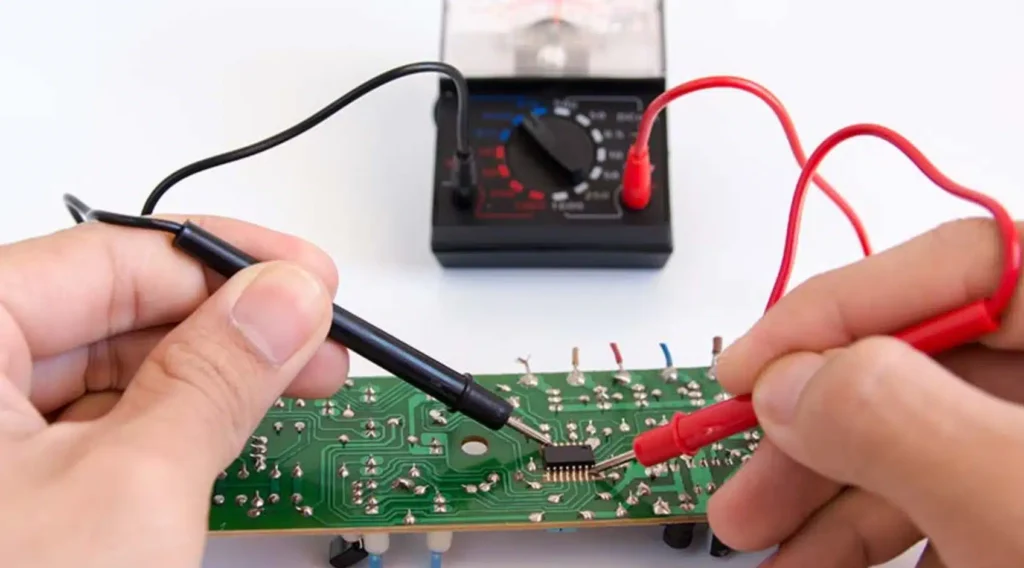
A circuit board is one of the most important parts of almost every electronic device. It connects components and allows electrical signals to move correctly so that the device can perform its intended functions. When a board develops a fault, the entire system can stop working or begin behaving unpredictably.
The good news is that not every damaged circuit board needs to be replaced. Depending on the type and severity of the problem, professional Circuit Board Repair Services can restore the board and extend its useful life.
Successful repair requires more than simply replacing a damaged component. Proper inspection, troubleshooting, soldering skills, suitable tools, and post-repair testing are all important for achieving a reliable result.
Understanding Circuit Board Repair
Circuit board repair is the process of identifying and correcting faults in a damaged or malfunctioning PCB. Problems can range from loose connections and damaged components to broken traces, soldering defects, corrosion, and physical damage.
Before attempting a repair, it is important to understand the board’s design and determine what caused the failure. A structured approach reduces the risk of causing additional damage.
Here are some fundamentals to keep in mind.
Identify the Problem
The first step is to determine what is actually wrong with the board. Begin with a careful visual inspection and look for:
- Burn marks or overheated areas
- Cracked or damaged components
- Loose connections
- Broken traces
- Corrosion or contamination
- Poor solder joints
- Missing or displaced components
A multimeter and other diagnostic equipment can then be used to investigate problems that are not visible to the naked eye.
Develop Proper Soldering Skills
Soldering is an essential skill for many types of PCB repairs. A poor solder joint can create intermittent connections, short circuits, or additional damage to the board.
Technicians should understand how to solder and desolder components correctly while controlling temperature and minimizing stress on sensitive PCB materials.
Maintain Repair Records
Keeping clear records of previous repairs can make future troubleshooting easier. Documentation can include the original fault, components replaced, measurements taken, repair methods used, and final test results.
This information can be particularly useful when similar boards experience recurring problems.
Follow Safe Working Practices
Safety should always be a priority when working with electronic equipment. Disconnect the equipment from its power source before beginning work and use suitable protective equipment and an appropriate work area.
Extra caution is necessary when dealing with high-voltage circuits, charged capacitors, or equipment that stores electrical energy.
Test the Board After Repair
A repair is not complete simply because a damaged component has been replaced. The board should be tested to confirm that it operates correctly.
Depending on the application, testing may include checking voltage levels, continuity, resistance, stability, signal behavior, and overall functionality.
Essential Tools for Circuit Board Repair
Having the right tools can make the repair process more accurate and efficient. The exact equipment required depends on the board, components, and type of damage.
Magnification and Inspection Tools
PCBs contain very small components and connections that can be difficult to inspect with the naked eye. A magnifying lamp, microscope, or other inspection equipment can help technicians identify damaged traces, solder bridges, cracks, and component defects.
Cleaning Supplies
Dust, flux residue, oxidation, and other contaminants can interfere with circuit performance. Cleaning supplies such as suitable brushes, lint-free swabs, and electronics-grade cleaning solutions can help keep the board free from unwanted contamination.
Replacement Components
Some damaged components can be replaced rather than repairing the entire board. Common examples include resistors, capacitors, diodes, connectors, and certain integrated components.
Replacement parts should match the required specifications and be installed with the correct orientation.
Soldering and Desoldering Equipment
Reliable soldering equipment is essential for component-level repairs. Depending on the application, technicians may use:
- Soldering stations
- Desoldering tools
- Solder wick
- Solder pumps
- Fine soldering tips
- Flux
- Appropriate solder materials
Using the correct temperature and technique helps reduce the possibility of lifting PCB pads or damaging nearby components.
Diagnostic Equipment
Troubleshooting often requires more than visual inspection. Equipment such as digital multimeters, oscilloscopes, power supplies, and specialized PCB testing equipment can help locate electrical faults and verify repair results.
Step-by-Step Circuit Board Repair Process
Although every PCB repair is different, a structured process can help technicians approach the problem systematically.
Step 1: Inspect the Board
Start by examining the board carefully for visible damage. Look for burnt areas, cracked components, broken traces, corrosion, damaged connectors, and unusual solder joints.
If the board has been repaired previously, inspect those areas closely because earlier work may have contributed to the current problem.
Step 2: Troubleshoot the Fault
If the problem cannot be identified through visual inspection, perform electrical testing. Measurements can help determine which section or component is causing the malfunction.
Compare the readings with the manufacturer’s specifications or an appropriate working reference whenever available.
Step 3: Remove Obstructing Components
Sometimes a damaged area cannot be properly accessed because other components are covering it. In such cases, the necessary components may need to be carefully desoldered.
Proper desoldering technique is important because excessive heat or force can damage pads, traces, or nearby components.
Step 4: Replace or Repair the Damaged Part
Once the faulty component or damaged section has been identified, determine whether it can be repaired or needs replacement.
For component replacement:
- Carefully remove the damaged component.
- Clean and prepare the area.
- Check the replacement component’s specifications.
- Install it in the correct orientation.
- Solder it securely.
- Inspect the completed connection.
For damaged traces or pads, specialized repair techniques may be required depending on the extent of the damage.
Step 5: Perform Functional Testing
After completing the repair, inspect the board again before powering it on. Check for solder bridges, loose connections, incorrect component placement, and other potential problems.
Once it is safe to test, verify the board’s electrical and functional performance under appropriate conditions.
Step 6: Correct Any Remaining Issues
If the board does not perform as expected, document the symptoms and repeat the diagnostic process. The initial repair may have resolved one fault while another underlying issue remains.
For complex or sensitive boards, seeking assistance from an experienced repair specialist can prevent further damage.
When Should You Consider Professional PCB Rework and Repair?
Not every PCB problem is suitable for a basic repair attempt. Professional PCB Rework and Repair may be a better option when the board has complex components, fine-pitch connections, damaged traces, multiple faults, or requires specialized testing.
Professional PCB Rework Services can also be useful when a design needs component changes, soldering corrections, assembly modifications, or other production-level adjustments.
For older or valuable electronic equipment, repair can sometimes be more practical than replacing an entire board, particularly when the original board is difficult or expensive to source.
PCB Repair vs. PCB Replacement
The decision between repairing and replacing a PCB depends on several factors, including:
- Extent of the damage
- Availability of replacement boards
- Cost of replacement
- Age of the equipment
- Availability of components
- Complexity of the repair
- Expected remaining service life
Minor component failures, soldering defects, or localized trace damage may be repairable. However, boards with extensive physical damage or severe internal layer failures may require replacement.
Why Professional PCB Repair Services Matter
Professional PCB Repair Services can provide access to experienced technicians, specialized equipment, diagnostic tools, and controlled repair procedures.
This is particularly important for complex boards where an incorrect repair can cause additional damage. Experienced technicians can systematically diagnose the fault rather than relying on trial and error.
For businesses handling older, damaged, or difficult-to-source electronic boards, Absolute Electronics Services provides repair and refurbishment support designed to help restore usable circuit boards and extend equipment life.
Rework and Refurbishment Services
In some situations, a PCB does not need a complete repair. It may require modification, component replacement, soldering corrections, cleaning, or restoration before it can be returned to service.
Rework and Refurbishment Services can address these requirements by correcting assembly issues, replacing selected components, improving solder connections, and restoring boards that may otherwise be discarded.
This approach can be useful for manufacturers, repair centers, and businesses looking to reduce electronic waste and maximize the value of existing equipment.
Conclusion
Circuit board repair is a detailed process that requires careful inspection, accurate diagnosis, suitable tools, proper soldering techniques, and thorough testing. A small mistake during repair can potentially create a larger problem, so technicians should understand the limits of their skills and equipment before beginning work.
For simple faults, basic troubleshooting and component replacement may be sufficient. For complex or sensitive boards, professional repair and rework support can provide a safer and more reliable solution.
With the right approach, many damaged circuit boards can be restored instead of being immediately replaced, helping extend equipment life while reducing unnecessary costs and electronic waste.